

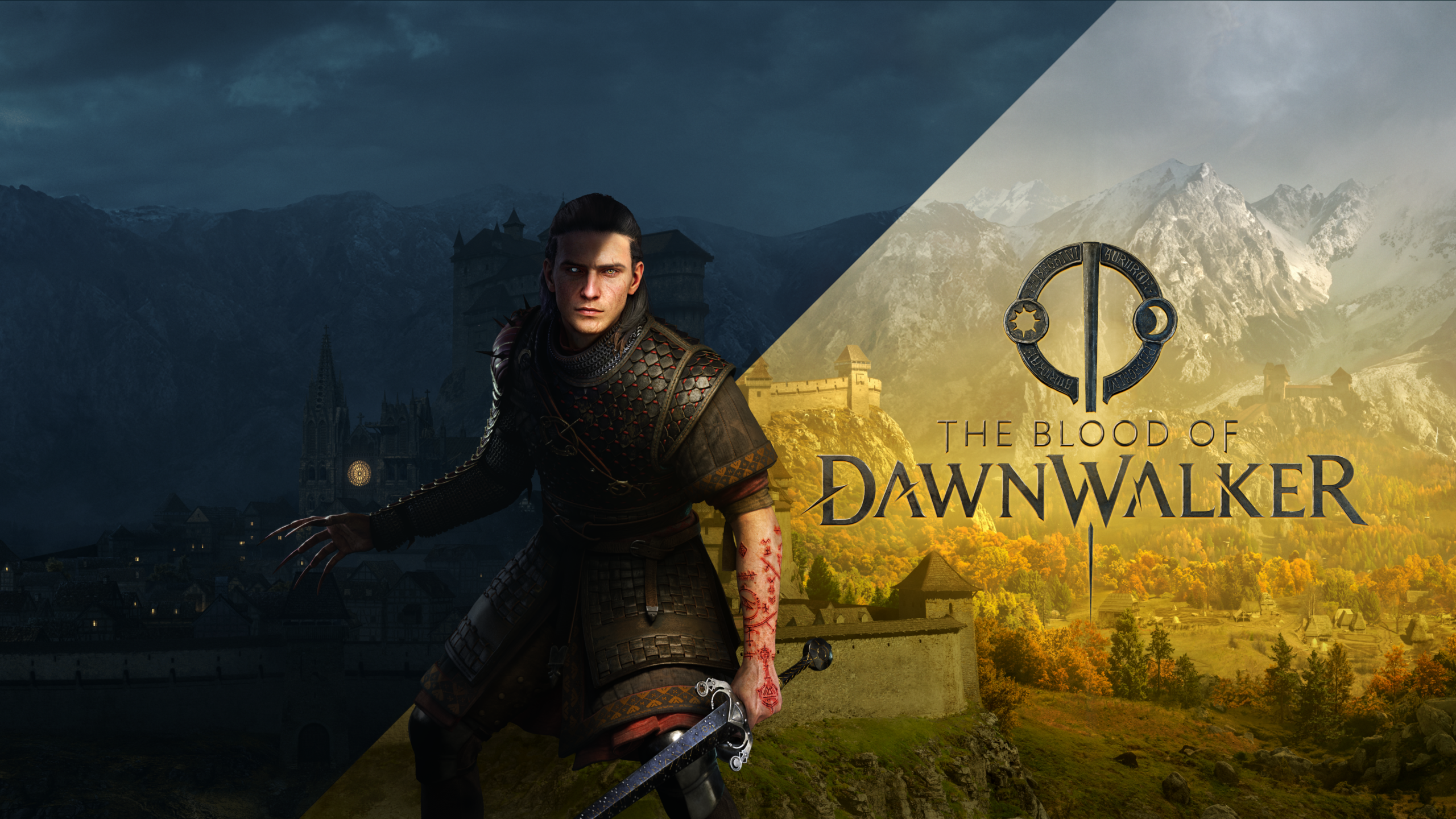
The Blood of Dawnwalker is a unique game thanks to its central core idea: Coen is not fully human, but he is not fully vampire either. Yeah, he’s essentially a day-walker like Blade from Marvel. Although Rebel Wolves calls him a Dawnwalker, which they describe as a young man trapped between the world of day and the realm of night.
The Blood of Dawnwalker human vs vampire gameplay is key to seeing how Rebel Wolves is using that divide as more than just a story detail. The split between human in the day and vampire at night is crucial to how players will explore, fight, and progress through the game’s story.
How Gameplay Works in The Blood of Dawnwalker
During the day, Coen is closer to his human side. In this form, he can fight with a sword and use magical runes that appear as bloody scars on his skin. This gives daytime gameplay a more grounded feel, with a stronger focus on weapon-based combat, preparation, investigation, and interaction with the living world around him.

Human gameplay appears to be the better fit for players who want to gather information, speak to NPCs, explore settlements, and approach quests more carefully. The official site explains that The Blood of Dawnwalker has two different gameplay loops, with distinct abilities, mysteries, and ways to achieve objectives depending on the time of day.
That means the daytime is unlikely to be just a weaker version of the night. Instead, it gives Coen access to tools and situations that may not be available after dark. Some NPCs and quests are only available at certain times, so choosing when to act matters just as much as choosing how to act.
In simple terms, human gameplay is likely to reward patience. It gives players space to prepare, speak, investigate, and rely on steel and magic rather than raw supernatural force.
The Blood of Dawnwalker Human vs Vampire: The Main Differences
The biggest difference between human and vampire gameplay isn’t just combat strength. It is the entire rhythm of play, which can shift dramatically depending on the time of day.
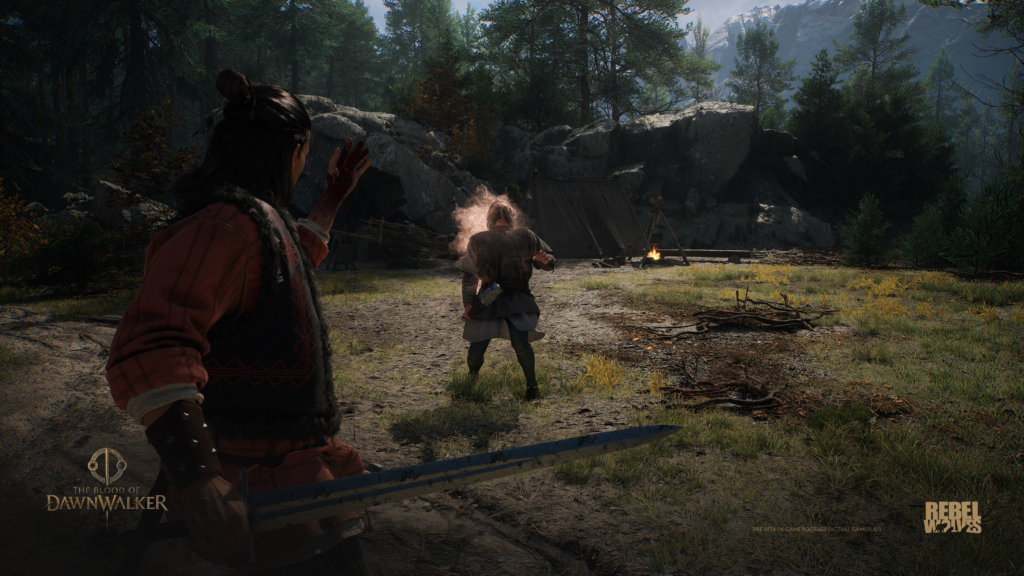
As a human, Coen seems better suited to speaking with people, solving problems carefully, using witchcraft, and approaching the world in a way that keeps his humanity intact. As a vampire, he becomes more mobile, more violent, and more dangerous, but he also has to deal with hunger and the possibility of losing control.
The day-night system also affects quests. Some opportunities may only appear during the day, while others may only be possible at night. Rebel Wolves has shown that Svartrau, the largest city in Vale Sangora, changes between day and night, with ordinary medieval life visible by day and hidden secrets appearing after dark.
What’s interesting about The Blood of Dawnwalker is that time becomes a strategic resource. Most players aren’t going to be deciding which quests to take on, and what to do next; instead, they’ll be focusing on when the best time is to complete a quest and in which form.
Choices, Time, and Consequences
The Blood of Dawnwalker also has a wider time pressure system. Coen has 30 days and nights to save his family, and major actions can move time forward. This includes some side quests, certain dialogue choices, and even learning particular abilities.
That doesn’t mean players are expected to rush through the game without exploring, so don’t worry about feeling too rushed in the game. Rebel Wolves has said the system was tested to avoid punishing players too harshly for engaging with the world. However, the pressure is still there. Every action and inaction can shape the world around Coen.
It matters because choosing to spend time as a human or vampire may change what can be achieved. Helping one person may mean leaving another behind. Preparing for a fight may cost valuable time. Going straight after Brencis may be possible, but it could make the challenge much harder.
The Blood of Dawnwalker: Human vs Vampire – Which is Better?
To be honest, neither particularly seems better than the other. If you’re anything like me, you prefer to go in guns blazing and ask questions later. In most cases, games like this would force me to pick one form or the other. But here, I could simply go in sword swinging, or failing that, cause mayhem in vampiric form.
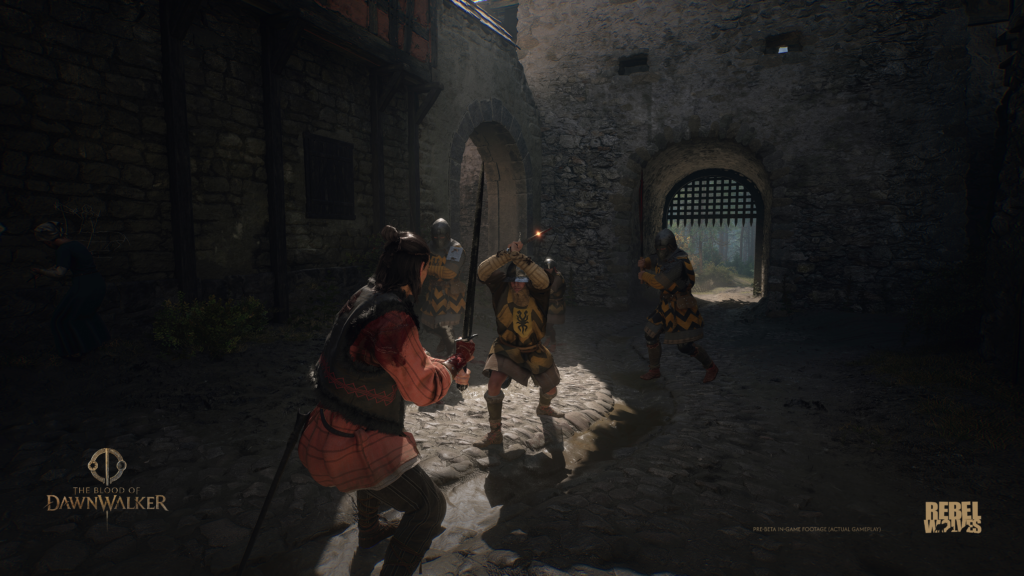
For players who enjoy careful role-playing, the human side may offer more room for investigation and moral restraint. For players who want powerful traversal and brutal combat, the vampire side will likely be more immediately exciting. The real appeal is that The Blood of Dawnwalker seems to force players to move between both, rather than letting them comfortably stay in one form.
