

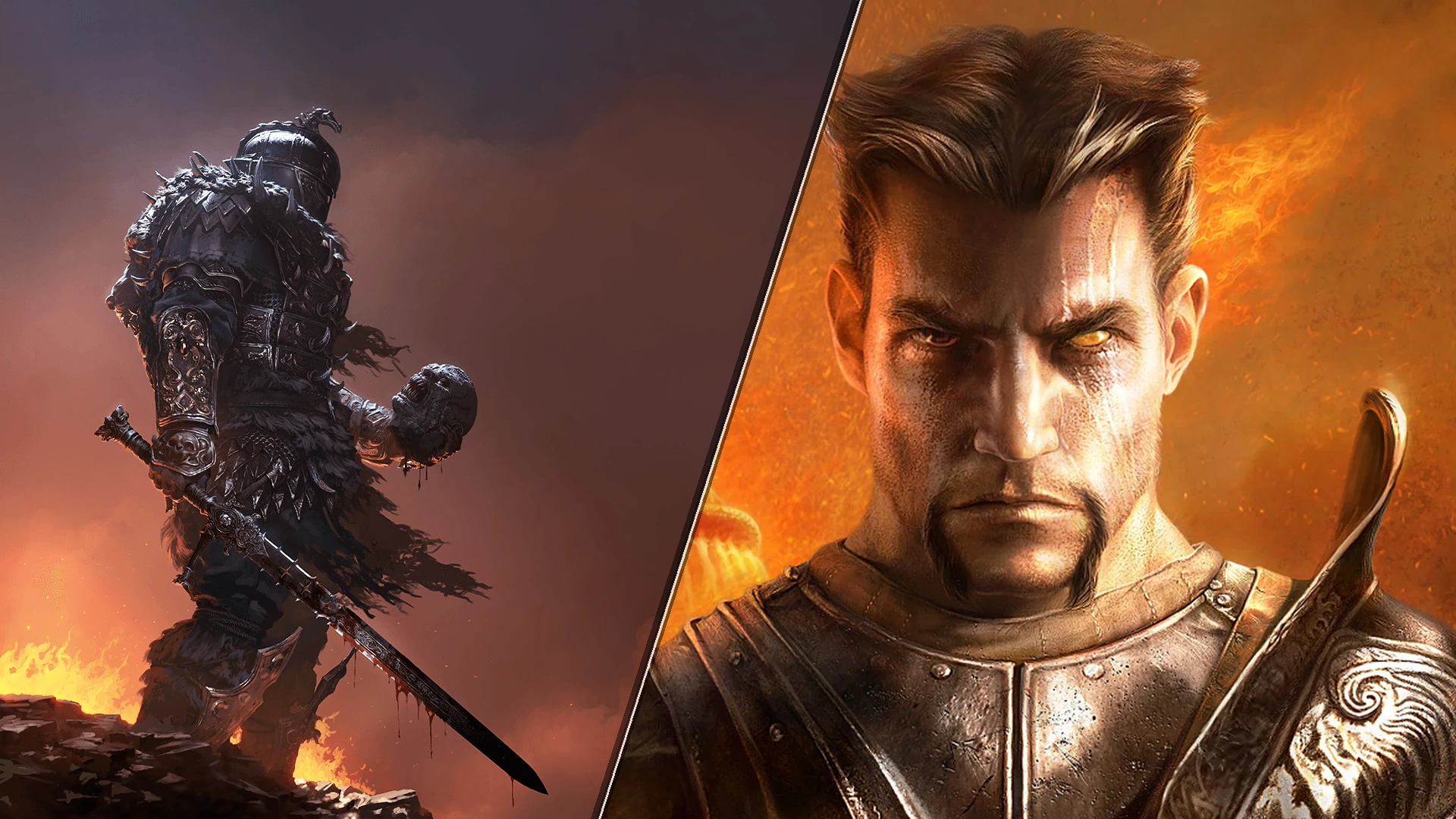
If you’re looking for a new game that scratches that nostalgic fantasy RPG itch while still feeling modern, Fatekeeper might be one to watch. That is why the Fatekeeper Dark Messiah comparison makes sense: swords, spells, dark corridors, reactive enemies, and the promise of physical combat all make it easy to see why players are linking the two.
Dark Messiah has a strange legacy. It was never the biggest RPG of its era, but for a certain type of player, it became the fantasy combat game everyone kept wishing someone would make again. This is one of the main reasons that Fatekeeper has landed on gamers’ radars so quickly.
Comparing Fatekeeper vs Dark Messiah isn’t at all about saying Fatekeeper is copying Dark Messiah. It is more that Dark Messiah left behind a very specific itch: the desire for a fantasy game where fights feel physical, unpredictable, and a bit nasty. Fatekeeper looks like it might be trying to scratch that same itch, but with modern visuals, deeper RPG progression, and a new world of its own.
Of course, since Fatekeeper is in Early Access, the game might move further away from looking like Dark Messiah, or it could pick up more of those classic RPG features that made Dark Messiah the cult classic it is today.
Fatekeeper vs Dark Messiah
Quick Comparison: Fatekeeper vs Dark Messiah
Before we dive too much into what sets these games apart, let’s take a quick look at comparing some of the basic facts and features from both games.
| Feature | Fatekeeper | Dark Messiah |
| Release status | Released in Early Access on 2 June 2026 | Released on 24 October 2006 |
| Genre | First-person fantasy RPG | First-person action-RPG |
| Combat focus | Reactive sword and sorcery combat with builds, spells, relics, and progression | Physics-heavy melee, stealth, magic, and environmental kills |
| World design | Handcrafted world with exploration, hidden lore, relics, and a focused narrative path | Level-based fantasy adventure built around dangerous spaces and combat opportunities |
| RPG systems | Modern progression across combat styles, attributes, spell schools, weapons, armour, and artefacts | Skills, weapons, spells, stealth, and different combat approaches |
| Graphics and presentation | Modern fantasy visuals, higher-detail environments, updated lighting, and a more current RPG presentation | Visually dated by modern standards, but still memorable for its Source Engine physics, first-person body awareness, and expressive combat animations |
| Tone | Grim fantasy with modern RPG presentation | Dark fantasy action with chaotic, cult-classic energy |
| Best known for | A new first-person fantasy RPG, which is being compared to Dark Messiah | Cult-classic fantasy combat, environmental mayhem, and kicking enemies into horrible places |
Why Is Fatekeeper Being Compared to Dark Messiah?
Fatekeeper is being compared to Dark Messiah because it appears to be chasing a similar fantasy: first-person sword and sorcery combat that feels reactive, dangerous, and more involved than simply clicking on enemies until their health bars disappear.
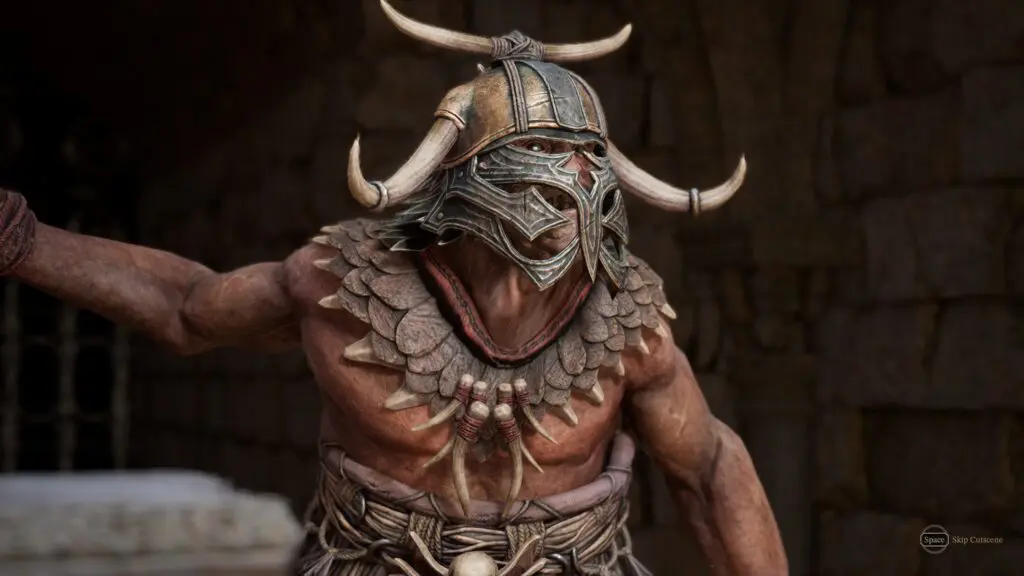
The important thing is that the comparison does not mean the two games are identical. Dark Messiah is the older cult classic. Fatekeeper is the newer game trying to bring that kind of first-person fantasy combat into a more modern RPG structure, and with plenty of ideas of its own.
Combat: Reactive Swordplay vs Physics-Driven Chaos
Combat is one of the biggest reasons that the Fatekeeper Dark Messiah comparisons exist. While at first glance they do seem very similar, there are some pretty major differences between how combat feels in both games.
Combat in Fatekeeper
Fatekeeper focuses on first-person sword and sorcery combat, with players using weapons, spells, relics, armour, artefacts, and character progression to shape their build. From what has been shown so far, it looks more like a modern fantasy RPG built around reactive combat and long-term progression.
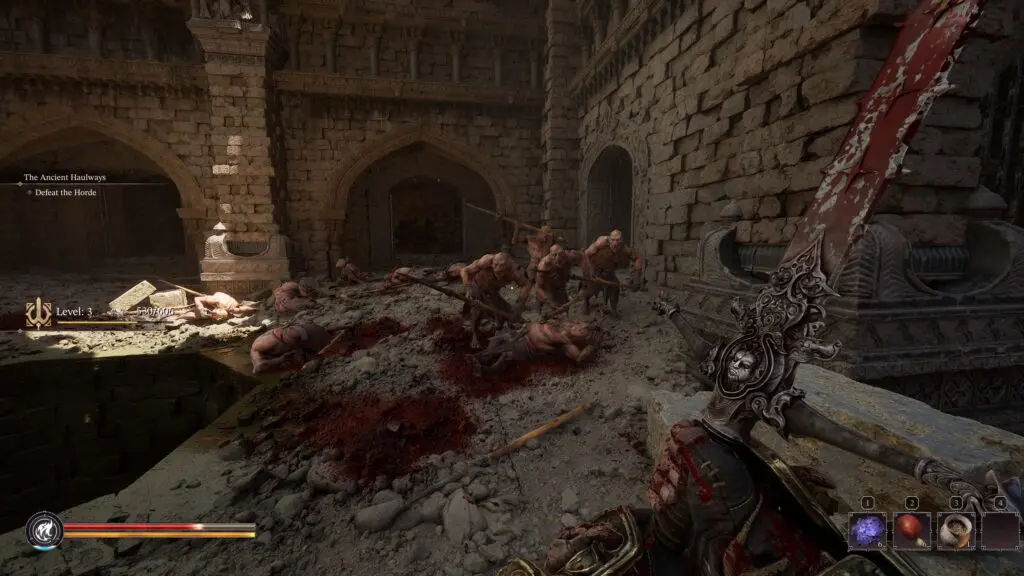
The appeal here is not just that you can swing a sword in first person. It is that the game appears to want combat to feel weighty, magical, and build-driven. While Fatekeeper does have new modern features that help set the combat apart from Dark Messiah, it also uses the environment in the same way as Dark Messiah did, pointing to another similarity between the two games.
Combat in Dark Messiah
Dark Messiah, on the other hand, is famous for chaos. Yes, it has swords, bows, stealth, and magic, but its real identity comes from how physical everything feels.
Enemies can be kicked into spikes, thrown into fire, knocked from ledges, frozen, burned, stabbed, trapped, or generally bullied by whatever horrible thing happens to be nearby. Dark Messiah made the environment feel like part of your weapon set.
Graphics: Classic RPG vs Modern Polish
Of course, with Dark Messiah being from 2006 and Fatekeeper being released to Early Access this year, it would be silly to expect the graphics to come even close to being comparable. But that doesn’t mean that Dark Messiah has been replaced by Fatekeeper, a game that is considered to be visually impressive for its time.
Fatekeeper Graphics
Fatekeeper is a modern release, so it naturally has a much more current visual presentation. Its environments look more detailed, its lighting is more atmospheric, and its fantasy world has the benefit of nearly two decades of visual progress since Dark Messiah.
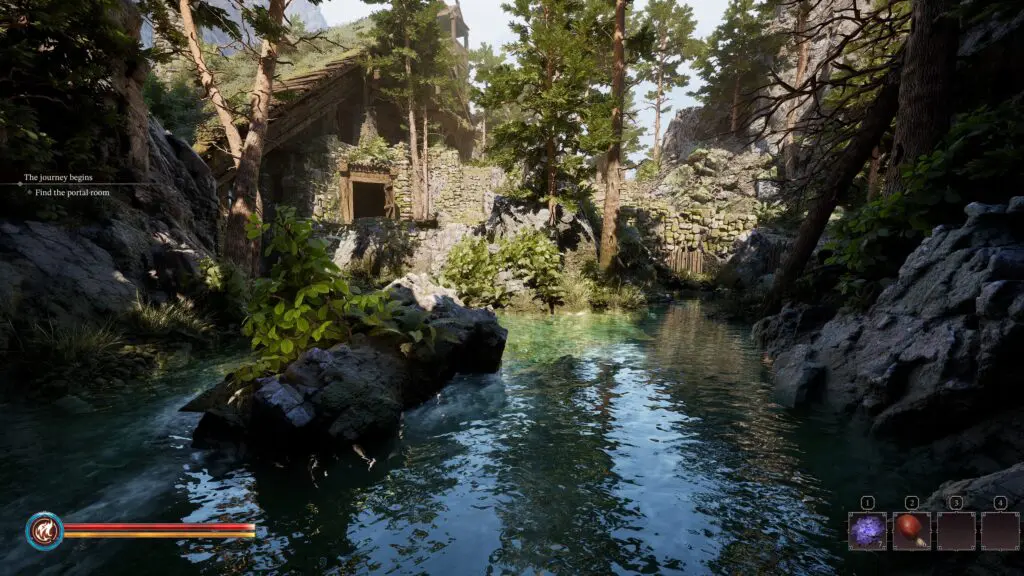
The game appears to be aiming for a grim, polished fantasy look, with ruins, caverns, forests, sanctuaries, monsters, magic, and detailed first-person combat.
Dark Messiah Graphics
Dark Messiah was impressive for its time, especially because of its Source Engine physics and first-person body awareness. However, it is still a 2006 game, and visually it shows its age.
That doesn’t mean it looks bad in the ways that matter. Its animations, enemy reactions, movement, and physical combat still give it personality. The graphics are dated, but the game’s combat readability and environmental design are still a huge part of why people remember it.
Is Fatekeeper a Dark Messiah Spiritual Successor?
For most players, yes, Fatekeeper is considered a spiritual successor to Dark Messiah. If nothing else, Fatekeeper can at least reasonably be described as Dark Messiah-inspired, with a whole lot of similarities.
Although that doesn’t mean it is an official sequel, or that it is trying to copy Dark Messiah scene for scene. It means it seems to understand the same appeal: first-person fantasy combat where swords, spells, kicks, enemy reactions, and the environment all matter.
Dark Messiah has spent years being the game people bring up whenever they want fantasy combat to feel more physical. Fatekeeper appears to be stepping into that space with modern graphics, deeper RPG progression, relics, spell schools, artefacts, and a handcrafted world built for exploration.
So while Fatekeeper is not Dark Messiah 2, calling it a spiritual successor feels fair. It is not just another fantasy RPG with a sword in the camera. It is one of the few modern games clearly tapping into that same first-person sword-and-sorcery fantasy that made Dark Messiah so memorable.
Fatekeeper vs Dark Messiah FAQs
Is Fatekeeper like Dark Messiah?
Yes, Fatekeeper is being compared to Dark Messiah because both are first-person fantasy games with melee combat, magic, and reactive encounters. However, Fatekeeper has its own world, progression systems, and modern RPG presentation.
Is Fatekeeper a sequel to Dark Messiah?
No, Fatekeeper is not a sequel to Dark Messiah. The comparison is based on gameplay style and genre similarities rather than a shared story or franchise.
Should Dark Messiah fans play Fatekeeper?
Dark Messiah fans should definitely keep an eye on Fatekeeper, especially if they want a modern first-person fantasy RPG with sword and sorcery combat. However, it is better to see Fatekeeper as a new game inspired by that style rather than a direct replacement.
